Vinyl-Only Labels — Why Some Records Will Never Be Streamed
The labels pressing music to wax and nowhere else — where the physical-only movement came from, how the economics actually work, and why it keeps growing.
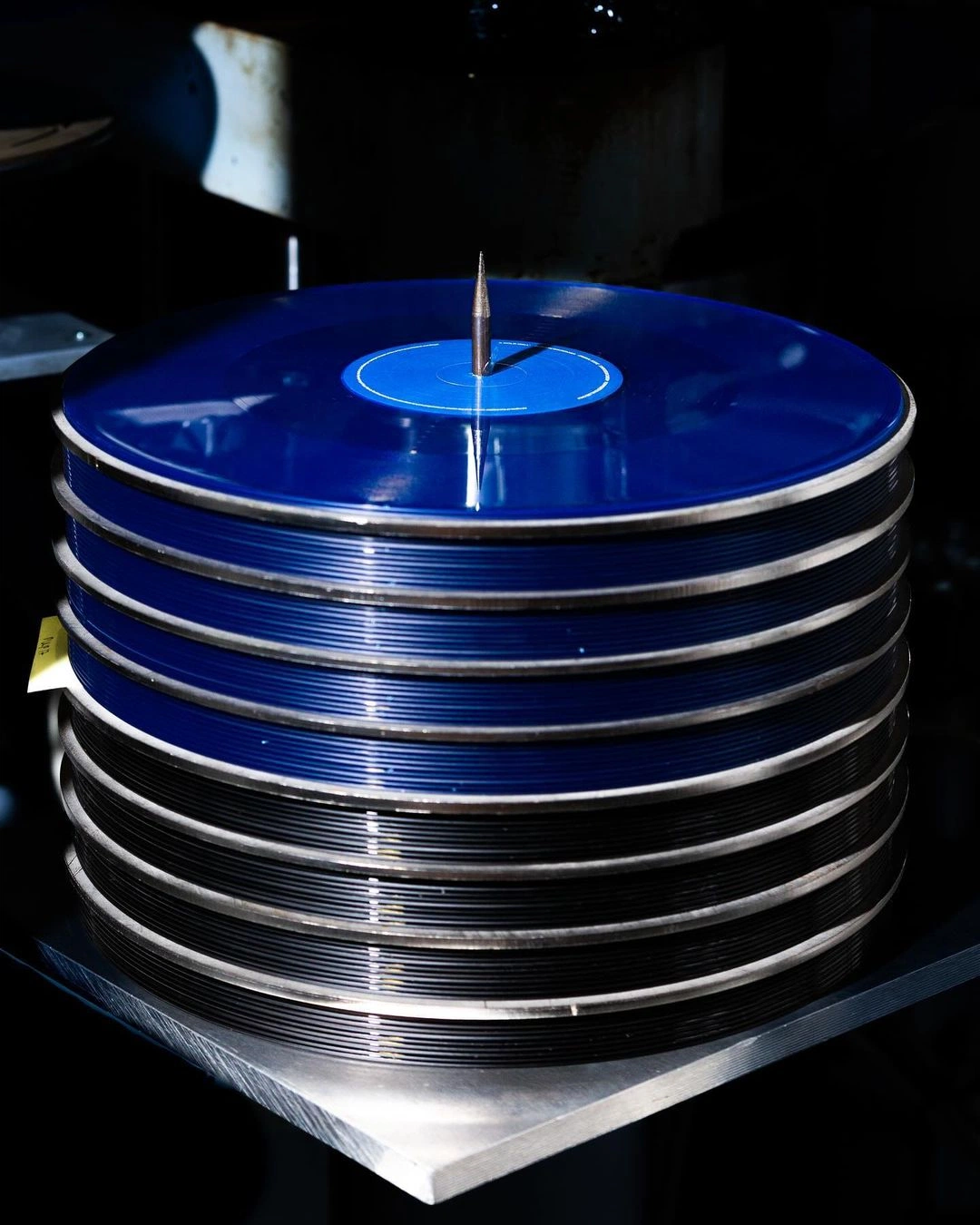
A vinyl-only label does exactly what the name says: it releases music on record and nowhere else. No Spotify, no Bandcamp download, no YouTube upload sanctioned by the label. If you want the music, you buy the record — or you hear it when a DJ plays it. In an era where distribution is free and infinite, deliberately restricting a release to a few hundred physical copies looks like commercial self-harm. It isn't. It is one of the few strategies in independent music that reliably works.
The practice grew out of dance music, and specifically out of the DJ's need for exclusivity. Jamaican sound systems invented the idea in the 1950s with the dubplate — a one-off acetate cut for a single selector so that no rival system could play it. House and techno inherited it wholesale. Chicago and Detroit labels in the late 1980s pressed short runs with no artist name, no track titles, and often no label at all, because the record's value to a DJ was partly that nobody else could identify it. White labels, promo-only 12s and one-sided test presses were currency.
The modern vinyl-only wave dates to the early 2010s, when digital DJing had fully arrived and a generation of labels reacted against it. Berlin's Ostgut Ton offshoots, the Dutch and UK house underground, the whole lo-fi house explosion around 2015, and a long list of small imprints — Mister Saturday Night, Sound Signature, Sistrum, Skudge, Mood Hut, 1080p, Rush Hour's sublabels, Firecracker, Athens of the North, Honest Jon's, Music From Memory in its early years — built catalogues that existed only as physical objects. Some of those records still have no legal digital version a decade later.
The reasons are more practical than romantic. Start with money. A 300-copy run of a 12 inch, pressed and jacketed, costs somewhere between $1,500 and $3,000 depending on plant, weight and packaging. Sold at wholesale to distributors and stores, that same run returns roughly $2,500 to $4,500. The margin is thin but it is real, it arrives in weeks, and it is paid by shops, not by a platform. The same music on streaming, at roughly $0.003 to $0.005 per play, needs somewhere in the region of 700,000 plays to match the revenue of one sold-out short run. For underground club music with an audience measured in thousands, not millions, the record is not the nostalgic option. It is the only option that pays.
Then there is scarcity as a design decision. A record that exists in 300 copies is an event. It sells out, it gets talked about, it appears on Discogs at three times retail, and the label's next release pre-sells on the strength of it. That cycle only functions if the music is genuinely unavailable elsewhere. The moment a digital version appears, the object stops being the only way in, and the urgency evaporates. Vinyl-only labels are, in a very deliberate sense, manufacturing demand by refusing supply.
There is also an artistic argument, and the good labels make it seriously. Sequencing matters when a listener has to flip the record. Side lengths impose discipline — a 12 inch cut loud runs about twelve to fourteen minutes a side before the low end suffers, so tracks get edited rather than allowed to sprawl. Mastering for lacquer is a different craft from mastering for a lossy stream: the engineer is working with a physical stylus, real groove geometry and genuine dynamic-range constraints, which tends to produce records that breathe rather than records that are crushed to compete for loudness in a playlist. Artists who mix specifically for wax often say it makes them better editors.
The DJ dimension keeps the movement alive at street level. If a track only exists on a record, the only people playing it are the people who bought it and carried it. That gives a set a signature. It also slows the life cycle of a tune down from days to years — a vinyl-only record can take eighteen months to spread across a scene, whereas a promo WAV is everywhere in a weekend and dead in a month. Selectors like Sadar Bahar, Hunee, Antal, Optimo, Floating Points and Theo Parrish built reputations on records other people simply did not have.
The obvious criticism is access. A vinyl-only release excludes anyone who can't afford a turntable, doesn't live near a shop that stocks it, or lives in a country where import shipping costs more than the record. It hard-locks the music behind money and geography, and it makes archiving fragile — plenty of great 2013 vinyl-only tracks now exist publicly only as a phone recording of a DJ set on YouTube. Some labels have softened the position: physical-first with a digital release six or twelve months later, or vinyl plus a download code that never reaches streaming platforms. That middle path — physical exclusivity with a delayed or restricted digital tail — is where a lot of the scene has landed.
There is a second wave that has little to do with clubs. Reissue and archival labels increasingly work physical-only because they don't own worldwide digital rights, or because the licence they negotiated with a family estate covers a pressing of 500 records and nothing more. That is why a lot of the best African, Brazilian, Turkish and South East Asian reissues of the last decade are records and only records. The rights are simpler, the payment to the original artist or estate is a clean one-off, and no platform sits in the middle taking a cut.
For pressing plants, the movement matters more than the numbers suggest. Small independent runs of 200 to 500 copies are what keeps mid-sized plants — Deepgrooves, Record Industry, Cicada, Zenith, Bandcamp-era boutique plants — booked between the big-label anniversary reissues. Vinyl-only labels are the plants' most consistent, least seasonal customers.
If you want to start collecting from these labels, the method is straightforward. Follow the shops, not the algorithm: Rush Hour in Amsterdam, Phonica in London, Hard Wax in Berlin, Clone in Rotterdam, Little Axe in Portland, Oye in Berlin, Bergerac and Northside in Melbourne. Sign up for their new-arrivals mailers, because vinyl-only stock is gone within days. Check Discogs for the label rather than the artist — the label is the unit of curation in this world. And accept that you will miss things. That is the point: a scene where you can't hear everything is a scene where hearing something means something.
The movement's direction of travel is clear enough. Vinyl sales have grown for well over fifteen consecutive years, the audience has widened past the people who grew up with records, and the economics of streaming have not improved for small artists in any measurable way. As long as one sold-out short run pays better than half a million plays, labels will keep choosing the record. Not out of nostalgia — out of arithmetic.